Studio News
The Anti-AI Aesthetic: Why Brands Are Embracing Imperfection
Date:
January 13, 2026
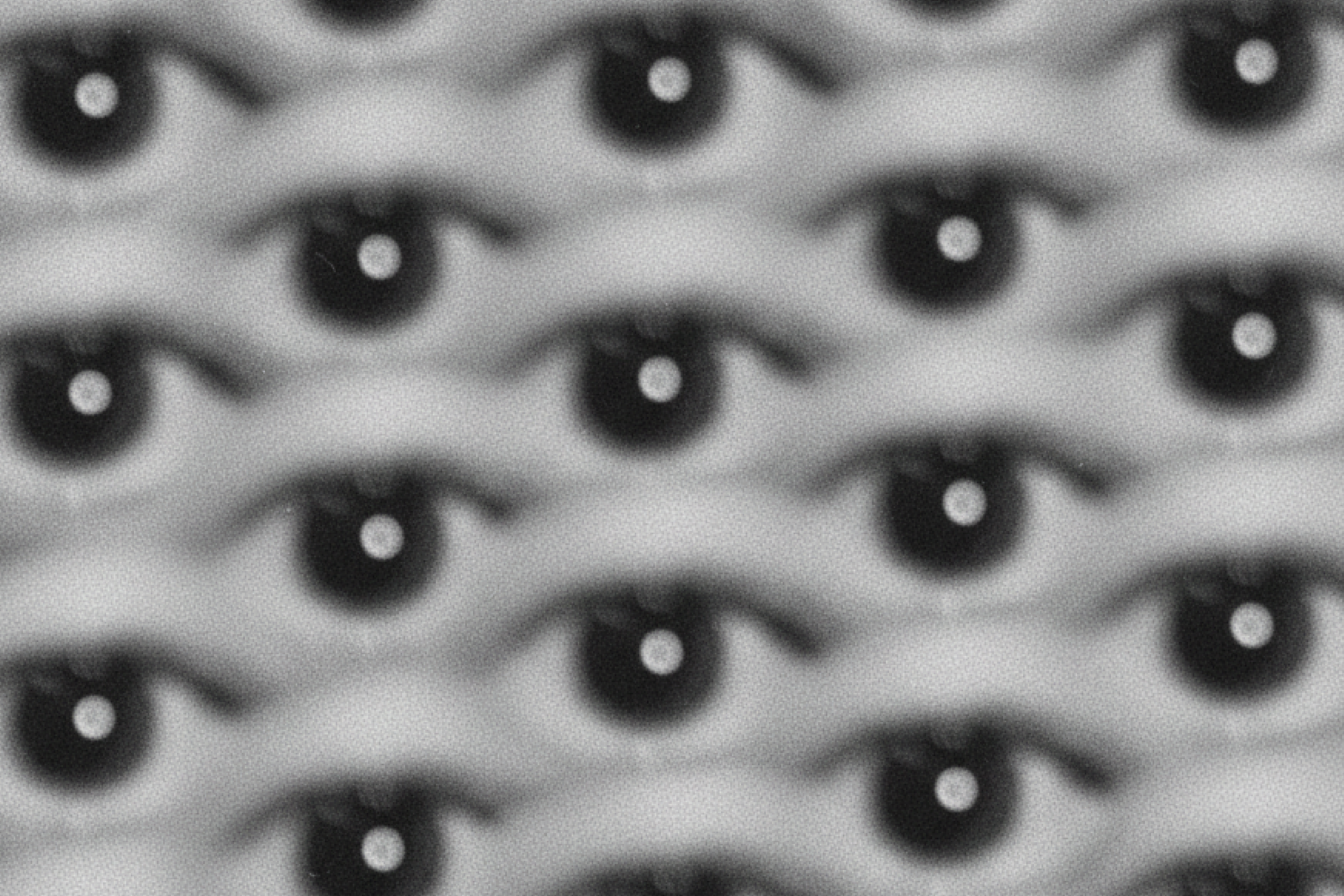
Premium brands are deliberately making their visual identities look imperfect. Grainy. Handmade. Human.

I've been noticing something interesting lately.
Premium brands are deliberately making their visual identities look... imperfect. Grainy. Handmade. Human.
Luxury fashion houses are commissioning hand-drawn illustrations when they could use perfect AI renders. Tech companies are adding VHS-style grain to their video content. Websites are embracing asymmetry and rough textures instead of pixel-perfect layouts.
At first, it seemed counterintuitive. Why would brands with massive budgets choose aesthetics that look "worse" than what AI can generate for free?
Then it clicked: This isn't about looking worse. It's about looking real.
The Pattern I'm Seeing
After 15 years building brand experiences, you develop an eye for emerging patterns. What I'm observing now is a deliberate counter-movement to AI aesthetics.
Hermès has been working extensively with illustrators who bring retro look on the new website, with Japanese-influenced illustrations. They're choosing hand-drawn animation and illustrations over clean and polished looks.
Major tech brand are incorporating grainy, 80s camcorder-style looks into their AI product video language - a stark departure from the hyper-polished aesthetic that dominated the 2010s and early 2020s.
Luxury retailers are embracing wabi-sabi principles in their store designs and brand presentations - celebrating the incomplete, the impermanent, the imperfect.
This isn't random. It's strategic.
What Design Leaders Are Saying
The design industry has a term for this: "human imperfection." And they're calling it the biggest design trend of 2025-2026.
According to recent design trend reports, designers are deliberately:
Adding intentional flaws and asymmetry to combat AI-generated perfection
Using hand-drawn elements with sketchy, imperfect lines
Embracing grainy textures and analog aesthetics
Rejecting pixel-perfect alignment in favor of organic layouts
As one design publication put it: "Design no longer wants to be perfect. It wants to be alive, textured, and emotional."
The Japanese concept of wabi-sabi - finding beauty in imperfection - is experiencing a massive revival. But there's a crucial distinction: this isn't just aesthetic appreciation. It's being positioned as an active "anti-AI" stance.
Why This Matters Now
The timing isn't coincidental. This movement emerged as a direct response to what the industry calls "AI fatigue."
Here's what's actually happening:
AI has made perfection cheap. Generative AI creates symmetry, smooth gradients, and ideal compositions in seconds. But this abundance of perfection created a new problem: it all looks the same.
Perfect now signals "artificial." When consumers see flawless imagery, their brains increasingly register it as machine-generated. The very thing that used to signal quality now signals automation.
Imperfection proves human origin. A wobble in a hand-drawn line, grain in a photograph, asymmetry in a layout - these "flaws" have become proof that a human made something.
As one designer articulated: "Perfection may impress, but imperfection connects."
The Economics of Authenticity
From a brand-building perspective, this shift makes complete sense.
In a world where anyone can generate hundreds of perfect images in minutes, what becomes valuable? The things AI can't easily replicate:
The intentionality behind choosing specific imperfections
The craft knowledge of analog techniques
The human judgment about which "mistakes" to amplify
The cultural authenticity of handmade aesthetics
The flaw has become the new luxury. Imperfection now carries premium positioning because it proves human involvement.
Major brands are starting to understand this. When Dove created their "Real Beauty Redefined for the AI Era" campaign, they used AI to retrain algorithms toward diverse, imperfect beauty. The campaign won the Grand Prix at Cannes Lions 2025 - proof that imperfection drives commercial relevance at scale.
What This Means for Live Experiences
At our agency, we work at the intersection of brand building and live experiences. This anti-AI aesthetic trend has profound implications for physical brand spaces.
Fourth spaces - those hybrid environments blending work, wellness, social, and brand experience - are perfectly positioned to capitalize on this trend. Physical spaces inherently offer what digital AI cannot: tangible, imperfect, human experiences.
The brands winning in experiential marketing aren't creating Instagram-perfect moments. They're creating authentic, slightly messy, genuinely human interactions. The kind that feel real precisely because they're not optimized.
When we build brand experiences now, we're deliberately incorporating elements that signal human craft:
Handwritten typography in signage
Intentionally imperfect materials
Analog interaction methods
Spaces that age and patina over time
These aren't cost-cutting measures. They're strategic decisions about how brands communicate authenticity.
The Technical Execution
Here's what makes this trend interesting: it's not about rejecting technology. It's about using technology differently.
Some of the most sophisticated designers are using AI tools to generate imperfections - programming algorithms to create organic, unexpected forms. Others are returning to purely analog processes, then digitizing the results to preserve the handmade quality.
The key distinction: human intentionality in choosing which imperfections to emphasize.
A machine can randomly add grain to an image. A designer chooses grain that evokes specific emotional associations - perhaps the warmth of 1990s home videos or the grit of street photography.
This intentionality is what brands are paying premium prices for. Not the technical ability to add effects, but the cultural knowledge and human judgment about which effects resonate emotionally.
Where I See This Going
After watching brand trends for a decade, here's my read on where this heads:
Short term (2025-2026): Expect an explosion of deliberately imperfect brand aesthetics. Hand-drawn typography, grainy photography, asymmetric layouts, and wabi-sabi-inspired design will dominate premium brand spaces.
Medium term (2026-2028): The market will segment. Mass brands will continue using AI-generated perfection for efficiency. Premium brands will double down on handcrafted imperfection as a differentiator. The aesthetic gap between "cheap" and "premium" will widen dramatically.
Long term (2028+): We'll likely see a synthesis. Brands will use AI for efficiency in some areas while reserving handcrafted imperfection for customer-facing touchpoints that matter most. The skill will be knowing where to apply each approach.
The Uncomfortable Truth
This trend creates challenges for the creative industry.
If imperfection becomes the new premium aesthetic, what happens to designers who've spent careers perfecting technical precision? If "looking handmade" becomes a style that AI can eventually simulate, does the anti-AI aesthetic become just another AI tool?
The answer lies in cultural authenticity. True handmade work carries context, references, and cultural knowledge that pure imitation cannot replicate. Japanese wabi-sabi isn't just about asymmetry - it's about philosophical principles regarding transience and acceptance. 1980s VHS aesthetics aren't just grain and glitches - they're about specific cultural moments and emotional associations.
Brands that understand this cultural depth will succeed. Brands that just apply "imperfect" filters will fail.
What Brands Should Do Now
Based on what I'm seeing in the market:
Audit your visual identity. Does everything look AI-generated? If your brand aesthetic could have been created by anyone with a Midjourney prompt, you have a differentiation problem.
Invest in craft. Budget for illustrators, photographers using film, designers working with analog processes. The premium is worth it for customer-facing brand materials.
Embrace strategic imperfection. Identify where intentional flaws can signal authenticity. A perfectly retouched photograph might hurt your brand more than a grainy, "imperfect" image that feels real.
Build physical experiences. Live brand experiences inherently offer what AI cannot - tangible, human, imperfect interactions. This is where the anti-AI aesthetic has the most power.
Don't fake it. Audiences can sense when imperfection is a calculated aesthetic versus genuine craft. Authenticity requires actual human involvement, not just filters that simulate it.
The Bottom Line
The anti-AI aesthetic isn't a passing trend. It's a fundamental response to technological saturation.
As AI floods our visual landscape with perfect, optimized content, human imperfection becomes the scarce resource. The brands that understand this will build differentiation that AI cannot easily replicate.
After 15 years building brands, I've learned: what matters isn't always what's newest or most efficient. Sometimes what matters most is what feels genuinely human.
In an increasingly AI-generated world, the handmade, the flawed, the imperfect - these become signals of care, craft, and authenticity.
That's not nostalgia. That's strategy.
The brands winning the next decade won't be the ones with the most perfect AI-generated content. They'll be the ones that figured out how to make people feel something real.
And real always has rough edges.